In Search of the Mace
A tool is easy to find. Learning to wield it is the real journey.
The Problem With Training Alone
Once I got hooked, my next instinct was simple: find a place to train.
That turned out to be much harder than expected.
Steel mace classes and gyms are rare, at least if you want something within regular driving distance and not a once in a while workshop or a random mention buried in someone’s general fitness offerings. I found a coach in Bellingham, Washington, which was promising, but I was hoping for something closer. Something consistent. Something I could build into real life without turning every lesson into a small expedition.
So for a while, I did what most people probably do. I turned to YouTube.
And YouTube, while useful, is also a very efficient way to build bad habits when you do not yet know what correct movement is supposed to feel like.
I practiced alone in my condo. I watched videos. I mimicked what I could. I swung the mace, thought I was getting somewhere, and quietly built a collection of compensations I could not yet see.
Kelowna, BC, Unexpectedly
Then came a surprise.
While visiting my best friend in Kelowna, I did a casual search and found something I had not managed to find close to home: a steel mace studio.
That felt almost absurdly lucky.
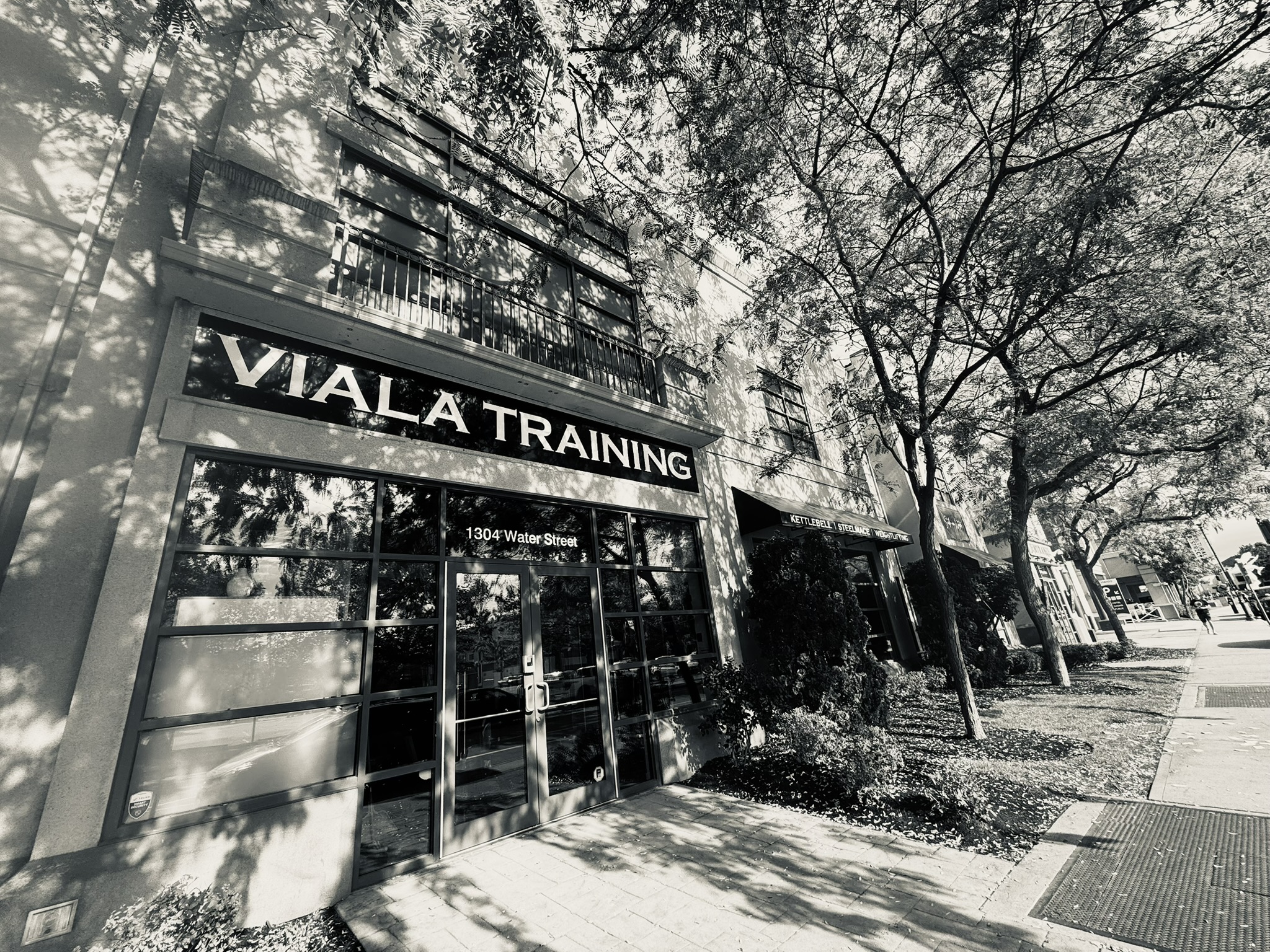
I signed up for a class and finally learned how to do a proper 360.
Not a version I had pieced together from the internet. Not a version powered by momentum and guesswork. An actual 360, with correction, structure, and someone in the room who could tell me what my body was doing versus what I thought it was doing.
It was a joy.
Part of it was technical. I learned quickly how much I had been missing. But part of it was something else entirely: being in a room with other people swinging maces, learning together, speaking the same strange little language of mills and 360s and offsets and timing. Steel mace can be a solitary practice, but it does not have to be. There is something deeply satisfying about finding community around a tool that so often feels obscure.
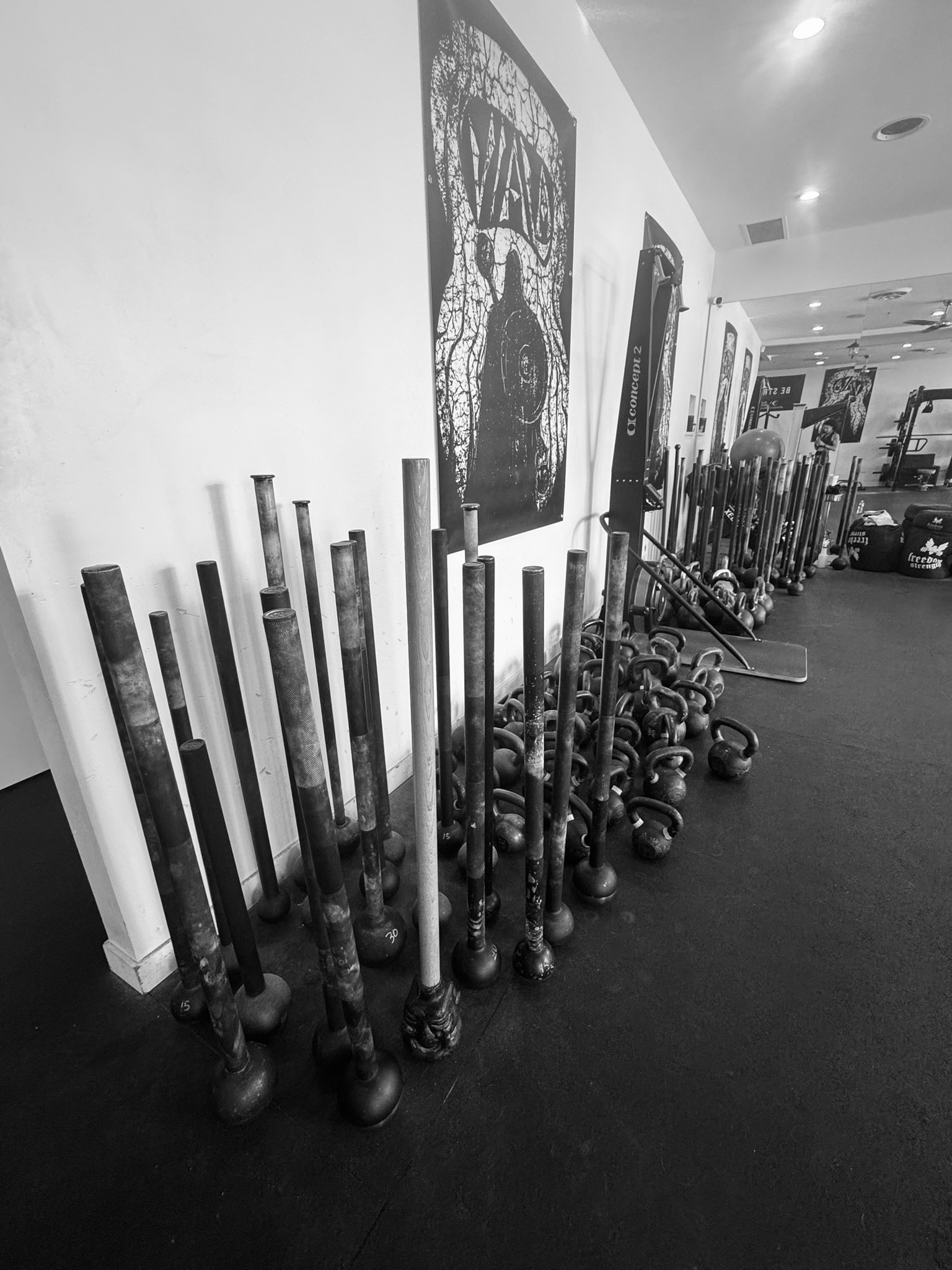
I have been back to that studio twice since, and every visit has felt worth it.
Bellingham, WA
Later, I signed up for personal training with a coach in Bellingham and spent two focused days working through fundamentals, corrections, and movement patterns.
That training sharpened a few things for me immediately.
First, how much the mace depends on the core, and not in the vague fitness industry sense of “engage your core.” I mean genuinely understanding how the trunk stabilizes the movement, how the glutes support the pattern, and how much cleaner the swing becomes when the body is actually connected.
Second, mobility matters more than I wanted it to.
The training also incorporated yoga based movement and mobility work. I will admit this is not the part of mace training that naturally calls to me. I am not especially interested in turning my practice into a yoga journey. But the corrections were valuable, and the mobility work was undeniably useful. It made clear that brute strength alone is not enough. The mace will keep asking for range, control, and coordination whether I feel like giving it those things or not.
What I Took From It
If the first lesson the mace taught me was humility, the second was that instruction matters.
You can get started alone. You can absolutely fall in love with the tool alone. But there is a limit to what you can see from inside your own movement patterns, especially with something as technical and leveraged as steel mace.
A good coach shortens the learning curve. A good class reminds you that you are not the only person out there doing this strange and wonderful thing.
And both are worth chasing, even if they are inconvenient to find.